
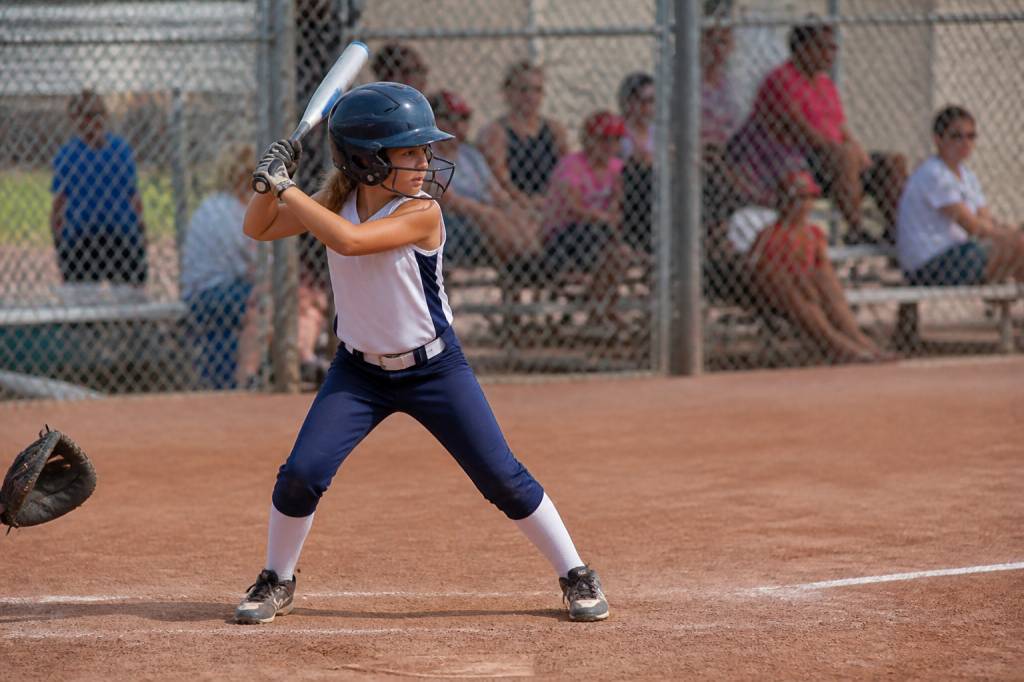
Picking the right gear for 10U softball can feel like a small detail—until a player is missing ground balls, fighting the bat, or spending half the inning adjusting a helmet that never quite fits. At the 10-and-under level, size matters more than people think. The right fit can improve confidence, safety, and performance, while the wrong one can turn a fun game into a frustrating one.
For players and coaches, this is where a smart size guide becomes useful. Not the kind that overwhelms you with brand jargon, but the kind that helps you make quick, practical decisions. If you coach 10U or have a player in that age group, this guide will help you choose gear that matches their size, strength, and stage of development.
What 10U softball really means
10U softball generally refers to players aged 10 and under, though league rules can vary a bit. At this level, players are still learning the basics: throwing mechanics, batting timing, catching confidence, and game awareness. That means gear should support growth, not get in the way of it.
The biggest mistake adults make? Buying equipment that a player can “grow into” too aggressively. Sounds efficient, right? In reality, oversized gear can make a young athlete slower, less comfortable, and more likely to develop bad habits. A glove that’s too big can make catches messy. A bat that’s too heavy can wreck swing mechanics. A helmet that shifts on the run is just asking for trouble.
So the goal is simple: choose sizes that fit the player now, with a small margin for growth when possible.
How to measure a 10U softball player
Before shopping, get a few basic measurements. You do not need a pro shop setup—just a tape measure and a little patience.
- Height: Helps narrow down glove, bat, and uniform sizing.
- Weight: Useful for bat selection and certain protective gear.
- Hand size: Important for glove fit.
- Head circumference: Needed for helmet sizing.
- Inseam and waist: Helpful for pants and shorts.
If you’re coaching a team, this is one of the best places to start the season. A simple sizing day saves time later and cuts down on “Coach, my glove is too tight” complaints right before warmups. Which, let’s be honest, always happen five minutes before first pitch.
10U softball glove size guide
For 10U players, glove fit is one of the biggest performance factors. A glove that is too large can make it harder to catch, close, and transfer the ball. Too small, and the player may struggle to control it or feel uncomfortable during long practices.
As a general guide, most 10U players use gloves in the 10.5-inch to 12-inch range. The exact size depends on position, hand size, and skill level.
- Infield: 10.5″ to 11.5″ for quicker transfers and easier control.
- Outfield: 11.5″ to 12″ for a bigger catching surface.
- Utility players: 11″ to 12″ is often a safe middle ground.
For younger or smaller players, a glove with a softer break-in and a narrower hand opening can make a huge difference. If a child can’t open and close the glove comfortably, they’ll fight it every practice. And no coach wants a glove battle when there are pop flies to chase.
Quick fit check: The player should be able to insert their hand fully, close the glove with reasonable effort, and hold it securely without the fingers sliding around too much.
10U softball bat size guide
Bats are where comfort and confidence meet. A bat that feels right lets a player stay relaxed at the plate. A bat that is too long or heavy can pull the swing off plane and slow down bat speed.
For most 10U players, bat length usually falls between 26 inches and 29 inches, with weight depending on the player’s strength and coordination. The right bat should feel balanced and controllable.
- Smaller or newer players: 26″ to 27″
- Average 10U players: 27″ to 28″
- Stronger or more experienced players: 28″ to 29″
When it comes to weight, many 10U players do best with a lighter drop weight, often around drop -10 to drop -13, depending on league rules and the athlete’s strength. A lower drop number means a heavier bat relative to its length, so newer players usually handle lighter drops better.
Simple bat test: Have the player hold the bat straight out with one arm for 10 seconds. If the bat drops quickly or the arm shakes like it has seen the inside of a haunted dugout, the bat may be too heavy.
Another useful check is the “load and swing” test. The player should be able to get the bat into a loaded position without strain and swing through the zone with good control. If the swing looks rushed, choppy, or late, sizing may need adjustment.
10U softball helmet size guide
Helmet fit is non-negotiable. At 10U, the helmet should sit snugly, cover the forehead, and stay put during running, sliding, and fast head turns.
Most youth softball helmets come in small or youth sizing, often based on head circumference. Typical youth helmet ranges are around 6 1/4 to 7 inches in hat size, though brands vary. That’s why measuring the head is more reliable than guessing.
To measure head circumference, wrap a tape measure around the widest part of the head, just above the eyebrows and ears. The helmet should feel secure but not painfully tight.
- Too loose: Helmet shifts side to side or forward on the run.
- Too tight: Pressure marks, discomfort, or complaints after short use.
- Just right: Snug fit with minimal movement and no pinching.
If the helmet includes a face mask, make sure it does not affect visibility or move the helmet out of position. A good fit protects the player and keeps them focused on the game instead of constantly readjusting gear between pitches.
10U softball cleat size guide
Cleats are easy to overlook, but they matter more than many parents expect. Good traction helps with acceleration, stopping, fielding, and base running. Poor fit can lead to blisters, toe pain, and players looking like they are running on soap.
For 10U athletes, cleats should fit snugly with a little room at the toe—usually about a thumb’s width or slightly less. Since kids’ feet can grow fast, many parents are tempted to buy a size up. That can work for casual shoes, but cleats that are too big can cause slipping and instability.
- Too small: Pain, hot spots, and toe cramping.
- Too big: Heel lift, blisters, and less control.
- Best fit: Secure around the heel and midfoot with slight toe room.
For younger players, molded cleats are usually the easiest and safest option, unless league rules or field conditions suggest otherwise. Comfort should always win over style. Yes, the neon pair may look fast. But if they hurt, they are not helping anyone score runs.
10U softball pants and uniform sizing
Uniform fit affects comfort, mobility, and confidence. Pants that are too long can drag, while pants that are too tight can restrict movement during fielding and sliding.
When choosing softball pants for 10U players, focus on three things: waist fit, inseam length, and stretch. Most youth softball pants are sized by youth apparel sizes or waist measurements. A snug waist with room to bend, squat, and run is the target.
- Waist: Should stay up without constant pulling.
- Inseam: Long enough to cover the leg without bunching heavily at the ankle.
- Fabric: Lightweight and flexible for movement.
Coaches often notice uniform issues first during warmups. If a player keeps stepping on their pant legs or tugging at the waistband, it affects focus. A comfortable uniform helps them play like they belong there—because they do.
Protective gear for 10U players
Depending on the league and position, some players may need additional protective gear. For catchers, the fit has to be especially precise. For pitchers and infielders, comfort and mobility matter just as much as protection.
Catchers: Chest protector, shin guards, and helmet sizing should match the player’s height and body shape, not just age. If gear is too bulky, it can limit movement and make quick reactions harder.
Sliding shorts and face protection: These are worth considering for players who are aggressive on the bases or still learning safe slide technique. Equipment should protect without feeling like a costume from another sport.
Batting gloves: Not mandatory, but many players like them for grip and blister protection. They should fit snugly without bunching at the fingertips or across the palm.
What coaches should look for during fitting
Coaches do not need to be gear experts, but they do need to spot fit issues before they become game-day problems. A few minutes spent checking equipment can prevent a lot of frustration later.
- Mobility: Can the player run, squat, and swing without restriction?
- Security: Does the gear stay in place during movement?
- Comfort: Is there visible irritation, pinching, or awkward adjusting?
- Confidence: Does the player look comfortable using the equipment?
If the answer to any of those is no, the size may need a tweak. Sometimes the fix is simple: a different glove break-in, a smaller helmet, or a bat with a lighter drop. Small changes can unlock better mechanics fast.
Common sizing mistakes to avoid
There are a few classic mistakes that show up every season. The good news? They are easy to avoid once you know what to watch for.
- Buying for future growth instead of current performance.
- Choosing a bat that is too heavy because it “looks serious.”
- Ignoring helmet fit because the player “will grow into it.”
- Using a glove that is too large for the player’s hand.
- Assuming all youth sizing is consistent across brands.
That last one matters a lot. A medium in one brand may fit like a large in another. Always check the actual measurements, not just the label. Labels are helpful. Reality is better.
How to balance fit, budget, and durability
Not every team or family is shopping with unlimited options, and that is perfectly normal. The trick is to spend where fit matters most. For 10U softball, that usually means gloves, helmets, and bats.
Here’s a smart priority list:
- First: Helmet fit and safety.
- Second: Bat size and weight.
- Third: Glove fit and position needs.
- Fourth: Cleats and uniform comfort.
It is often better to buy a well-fitted mid-range glove than a premium glove that does not match the player’s hand. Same goes for bats. A bat that feels right will usually do more for performance than one with a bigger price tag and a bad fit.
Final sizing tips for parents and coaches
If you only remember a few things, make them these: fit the gear to the player, not the other way around; test the equipment in motion, not just standing still; and avoid buying too far ahead of the player’s current size and strength.
10U softball is about building good habits, having fun, and letting young athletes learn the game without fighting their equipment. When the gear fits well, players move better, swing better, and play with more confidence. That confidence shows up everywhere—from the first catch in warmups to the last hard run to first base.
And for coaches, that means fewer distractions and more teaching. Which is really the sweet spot: less gear drama, more softball.