Ask any serious athlete what separates a good training week from a great one, and you’ll usually hear the same answer: recovery. Not the glamorous part, not the sweaty highlight reel part, but the quiet work that lets the body adapt, rebuild, and come back stronger. That’s where recovery rooms come in. Once seen as a luxury reserved for elite teams and pro facilities, they’re now showing up in private gyms, performance centers, and even dedicated home setups. And for good reason.
A well-designed recovery room can help athletes reduce fatigue, manage soreness, improve circulation, and create a routine that supports long-term performance. But recovery isn’t just about plugging into the fanciest machine on the market and hoping for magic. It’s about combining the right tools with smart habits and a clear purpose. So, what actually belongs in a recovery room, and how do athletes use it without turning it into a high-tech storage closet?
Why recovery rooms matter more than ever
Training hard is easy to understand. Recovery, not so much. Yet every workout creates stress, and the body improves when it has time and the right conditions to adapt to that stress. Ignore recovery long enough, and the warning signs start piling up: heavy legs, poor sleep, lingering soreness, lower motivation, and performance that suddenly feels stuck in mud.
Recovery rooms help athletes make recovery intentional. Instead of relying on “I’ll rest when I can,” the room creates a dedicated space for restoration. That matters because environment shapes behavior. When the space is built for recovery, athletes are more likely to use it consistently. And consistency is the secret sauce, not one heroic foam-rolling session after a brutal workout.
There’s also a mental benefit. A recovery room can act like a reset button. The minute an athlete walks in, the message is clear: the work is done, now the body gets its turn. That shift can reduce stress, calm the nervous system, and make it easier to move from high-performance mode into genuine rest.
The core benefits athletes actually notice
Recovery rooms can deliver a wide range of benefits, but a few stand out for athletes at all levels.
-
Reduced muscle soreness after intense training or competition
-
Improved circulation, which can support nutrient delivery and waste removal
-
Better mobility and tissue quality when recovery tools are used consistently
-
Lower stress levels through relaxation techniques and controlled breathing
-
More structured routines, which make recovery harder to skip
-
Faster readiness for the next session, especially during dense training blocks
Now, to be clear: a recovery room won’t replace sleep, nutrition, or intelligent programming. It’s not a cheat code. But it can absolutely be a strong support system that helps athletes feel and perform better. Think of it as the difference between “I survived training” and “I’m ready to train again.”
What equipment belongs in a recovery room
The best recovery room is not necessarily the most expensive one. It’s the one that matches the athlete’s needs, sport demands, and available space. A distance runner, a powerlifter, and a soccer player won’t necessarily need the same setup. Still, there are some staple tools that appear again and again in effective recovery spaces.
Foam rollers and massage balls
These are the workhorses of self-myofascial release. Foam rollers are useful for larger muscle groups like quads, hamstrings, glutes, and upper back. Massage balls can target smaller or tighter areas such as the feet, hips, or shoulders. The benefit isn’t magic; it’s practical. They help athletes move through stiff tissue, increase awareness, and often reduce the feeling of tightness after training.
A simple example: after a hard leg day, an athlete might spend five to ten minutes rolling the quads and calves, then use a massage ball on the glutes or plantar fascia. It’s not glamorous, but neither is limping up stairs the next morning.
Compression boots and compression garments
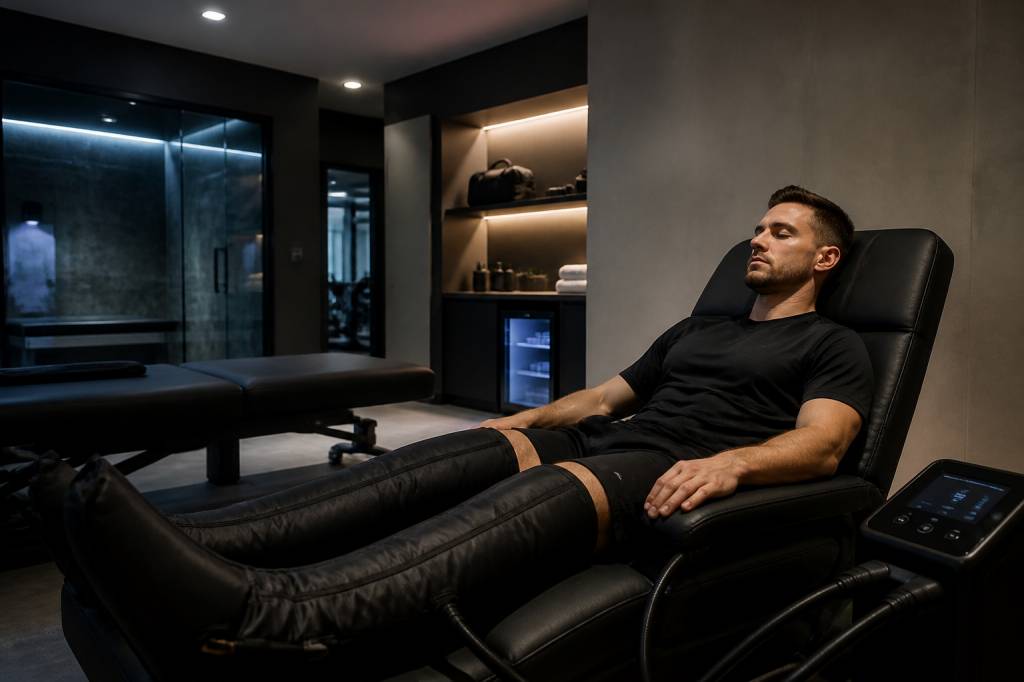
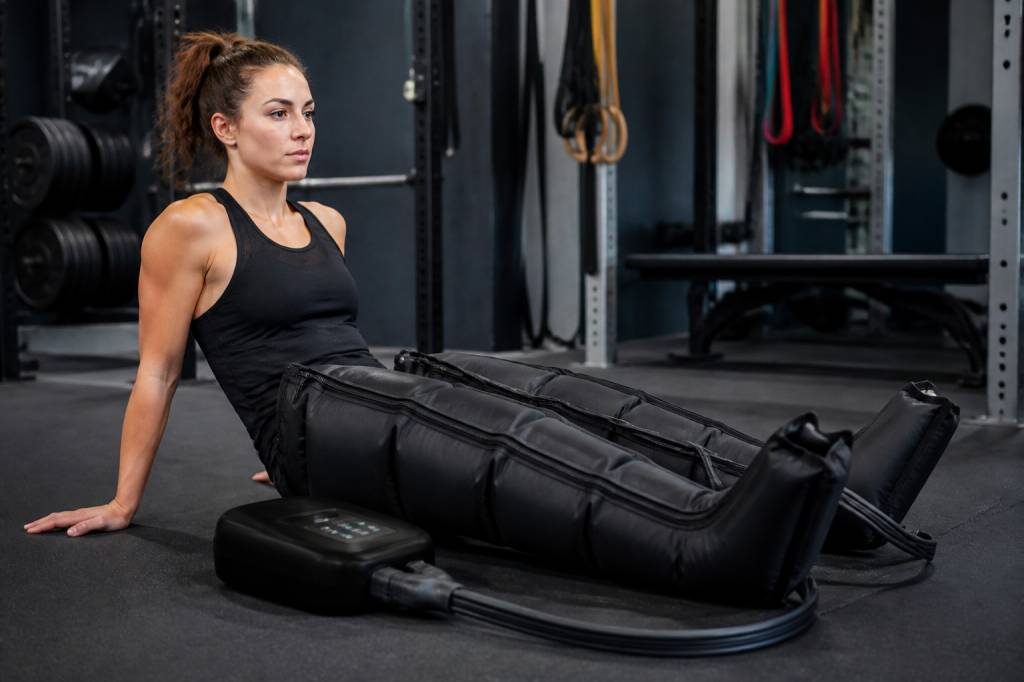
Compression tools are popular in recovery rooms because they can create a pleasant “legs feel lighter” effect after demanding workouts. Compression boots, in particular, are widely used by endurance athletes and team-sport players who log a lot of running or standing time. They can help with the sensation of reduced heaviness and may support circulation, especially after high-volume training days.
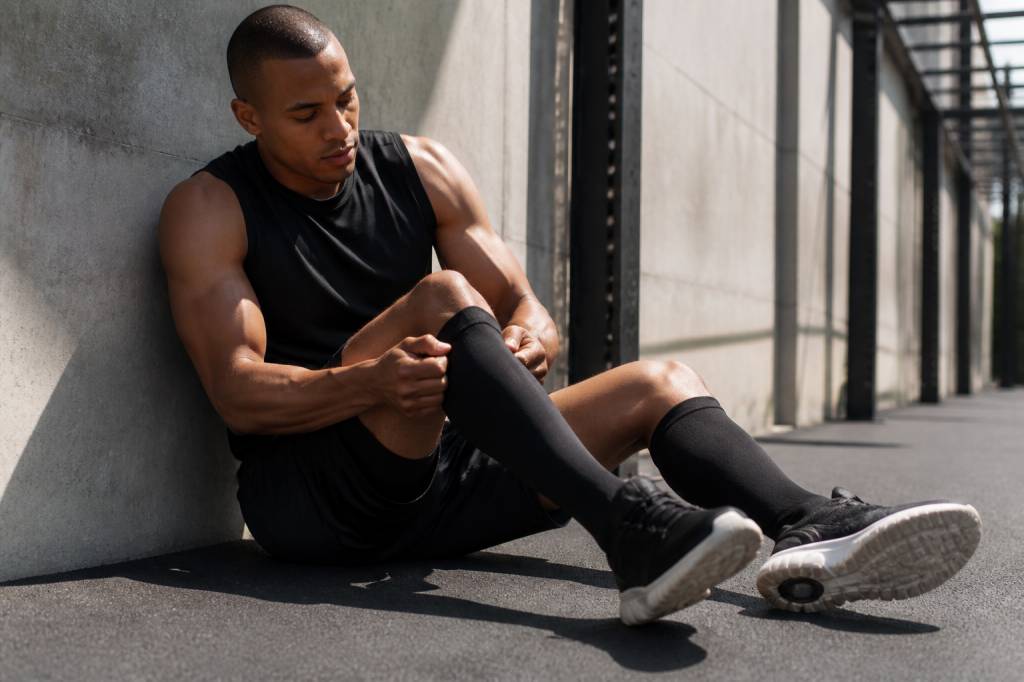
Compression garments are a more accessible option for athletes who want something wearable rather than a machine. They’re less dramatic, sure, but they can still be part of a smart post-training routine.
Massage chairs and percussion devices
For athletes who enjoy a more hands-off approach, massage chairs and percussion tools can be useful additions. Massage chairs are great for general relaxation and helping the body downshift after a long session. Percussion devices, on the other hand, are more targeted and portable. They can be effective for loosening up stubborn areas, but athletes should avoid pressing too hard or treating every ache like a personal grudge.
Ice baths and cold immersion
Cold immersion remains one of the most talked-about recovery strategies in sports, and for good reason. Many athletes report feeling less sore and more refreshed after cold exposure, especially after competitions or intense intervals. In a recovery room, an ice bath or cold plunge setup can be a powerful tool when used strategically.
That said, cold immersion is not always ideal right after every type of training. For athletes focused on strength or muscle growth, frequent cold exposure immediately after lifting may interfere with some adaptation signals. The key is timing and purpose. If the goal is to feel fresher for a game tomorrow, cold immersion can make sense. If the goal is building muscle, use it with more caution.
Infrared saunas and heat therapy
Heat therapy can be a fantastic counterpart to cold. While ice is often used to calm things down, heat is commonly used to relax tight muscles and promote a sense of ease. Infrared saunas, in particular, have become a recovery-room favorite because they offer a comfortable way to warm the body without the intense heat of traditional saunas.
Some athletes use heat after training to unwind and improve mobility. Others use it on lighter days or during recovery sessions. The biggest win here is often the routine itself: ten to twenty minutes of uninterrupted relaxation can do wonders for a tired athlete’s nervous system.
Stretching zones and mobility tools
A recovery room should make movement easy, not awkward. That means having enough space for stretching, mobility drills, and light activation work. Yoga mats, resistance bands, stability balls, and blocks can turn a corner of the room into a practical movement station.
This area should support the basics: hip openers, spinal mobility, ankle work, thoracic rotation, and gentle dynamic stretching. Recovery is not just about lying still. Sometimes the best way to feel better is to move better.
Breathwork and relaxation tools
It’s easy to ignore the nervous system until it starts screaming at you through poor sleep, tension, or sluggish performance. Breathwork tools can help athletes shift out of high-stress mode. A recovery room can include a quiet chair, dim lighting, guided breathing apps, or even simple timers for box breathing or longer exhale drills.
Don’t underestimate this piece. If training is gas pedal work, recovery room breathing is the brake. And many athletes could use a better brake system.
How athletes should use a recovery room
Having the equipment is one thing. Using it well is another. A recovery room works best when the athlete has a clear plan instead of wandering in and using five tools for no reason other than “they all look professional.”
A practical routine might look like this after a hard session:
-
Five minutes of light movement or cycling to bring the heart rate down gradually
-
Ten minutes of foam rolling or targeted soft-tissue work
-
Ten to fifteen minutes of stretching or mobility work
-
Compression boots, cold plunge, or sauna depending on the day’s goal
-
Five minutes of breathing or quiet rest to finish
The point is not to do everything every time. The point is to choose the right tools for the training stress, the athlete’s current state, and the next session on the calendar. A marathon runner on a high-mileage week may prioritize cold immersion and compression. A strength athlete may lean more on mobility, heat, and soft tissue work. A basketball player might need a little of both, plus nervous-system downregulation after all that game-speed chaos.
Recovery strategies that work beyond the room
The smartest recovery rooms do not pretend to be the whole answer. They support a bigger system. The real gains come when the room is paired with consistent recovery habits outside it.
Here’s what should be part of the bigger picture:
-
Sleep: still the most powerful recovery tool in sports
-
Nutrition: enough protein, carbs, fluids, and micronutrients to support repair
-
Hydration: simple, boring, and absolutely essential
-
Active recovery: walking, cycling, swimming, or light movement on off days
-
Training load management: because no amount of ice baths fixes reckless programming
-
Stress management: life stress counts too, whether athletes like it or not
One of the biggest mistakes athletes make is treating recovery like a rescue mission after they’ve already pushed too far. A better approach is to think of recovery as part of the training plan itself. The body doesn’t care whether the fatigue came from intervals, weight sessions, or three nights of bad sleep. It still has to deal with the bill.
Building a recovery room at home
You don’t need a pro budget to create an effective recovery setup. In fact, some of the most useful tools are fairly affordable. A smart home recovery corner might start with a foam roller, two massage balls, a yoga mat, resistance bands, and a comfortable chair. From there, athletes can add bigger items over time if space and budget allow.
If you have more room, consider these upgrades:
-
A compact cold plunge or portable ice bath
-
An infrared sauna or portable sauna tent
-
Compression boots
-
A massage gun with adjustable intensity
-
Storage for towels, water, recovery snacks, and mobility gear
-
Soft lighting and sound control for a calmer atmosphere
The best home recovery rooms are easy to use. If the setup is hidden behind too much clutter or takes fifteen minutes to prepare, athletes will skip it. Convenience wins.
What to avoid when setting up a recovery room
Recovery rooms can go from useful to overcomplicated very quickly. A few common mistakes are worth avoiding.
First, don’t buy equipment before identifying the actual need. A cold plunge looks impressive, but if the athlete really needs better sleep and more mobility work, that money might be better spent elsewhere. Second, don’t overload the room with too many tools. More equipment does not automatically equal better recovery. Third, don’t use intense recovery methods every day just because they feel productive. Recovery tools should serve the training plan, not become their own sport.
Finally, don’t forget the basics. It’s shocking how often people will invest in premium gadgets while sleeping five hours, skipping breakfast, and hydrating like they’re in a desert side quest. The basics still win.
A practical mindset for athletes
Recovery rooms are at their best when they help athletes slow down with purpose. They’re not about doing more. They’re about doing what matters, consistently, and with enough awareness to know what the body is asking for. Some days that means cold immersion and compression. Other days it means ten minutes of stretching, a quiet breathwork session, and a glass of water. Sometimes the smartest recovery move is simply getting to bed earlier and leaving the gadgets alone.
The athletes who benefit most from recovery rooms are usually not the ones chasing the fanciest setup. They’re the ones who treat recovery like training’s equal partner. They listen. They adjust. They recover before the wheels start wobbling.
In a sports world obsessed with output, recovery rooms bring something refreshingly simple to the table: a place to rebuild. And in the long run, that’s where performance gets protected, sharpened, and extended.

Related Posts
Recovery device for faster muscle recovery in sports and fitness
Compression boots for athletes: benefits, recovery, and how to choose the right pair