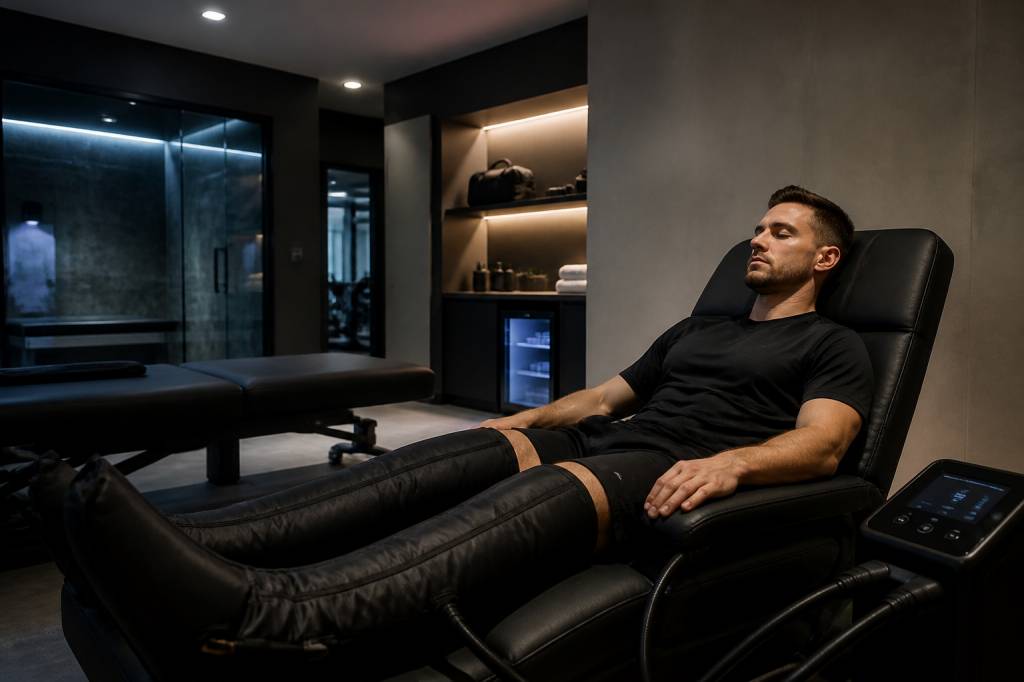
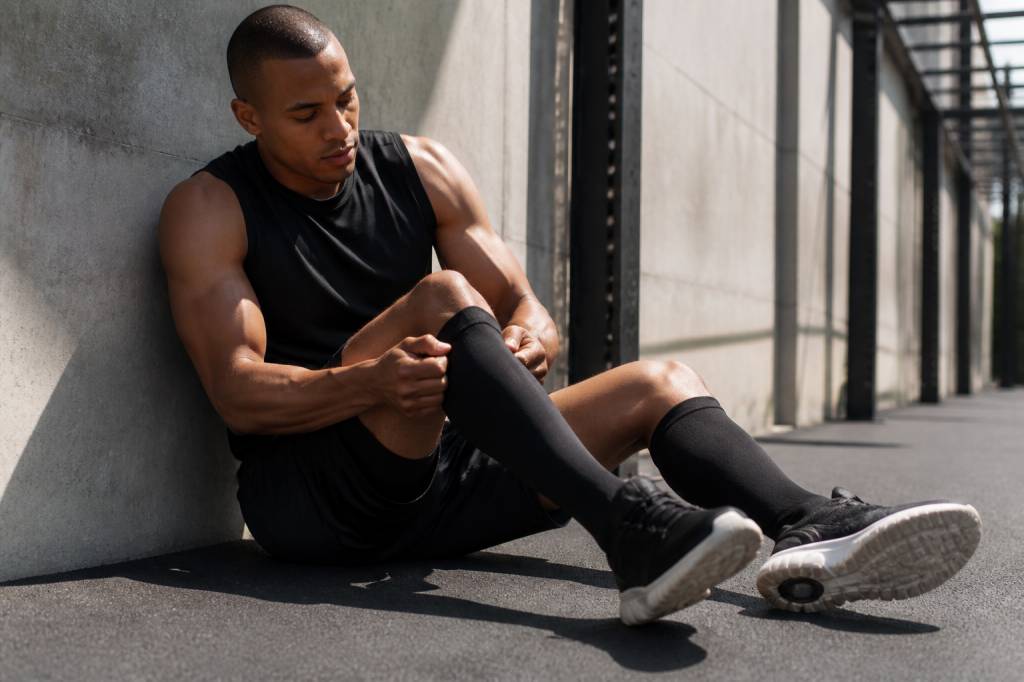
Ask any athlete who has tried them after a brutal training block, and you’ll hear the same thing: compression boots feel a little like cheating. You slip them on, lean back, and let the machine do the work while your legs get a rhythmic, satisfying squeeze from ankle to thigh. But these recovery tools are more than a flashy gym accessory. For runners, cyclists, basketball players, CrossFit regulars, and weekend warriors alike, compression boots can be a serious recovery ally.
So what do they actually do, who benefits most, and how do you pick a pair that’s worth the investment? Let’s break it down without the marketing fog.
What compression boots actually do
Compression boots use air chambers to apply sequential pressure to your legs. That pressure starts near the feet and moves upward in pulses, mimicking a manual lymphatic massage. The idea is simple: help move fluid out of the lower limbs, support circulation, and make the post-workout “heavy legs” feeling less dramatic.
Think of it like giving your legs a well-timed traffic controller. After hard exercise, your muscles are dealing with fatigue, micro-tears, and metabolic byproducts. Compression boots don’t magically repair everything, but they can support the recovery environment by reducing swelling, improving comfort, and helping you feel fresher sooner.
That “freshness” matters. If you’ve got another training session tomorrow, a tournament on the weekend, or even just a job that requires you to be on your feet all day, recovery is not a luxury. It’s part of the performance plan.
The main benefits athletes notice
Compression boots are popular because the benefits are easy to feel, especially after hard training. Not every athlete will respond the same way, but here’s what users commonly report.
-
Reduced soreness: Many athletes feel less muscle soreness and stiffness after use, especially following long runs, lower-body lifting, or intense matches.
-
Less swelling and heaviness: If your legs tend to feel puffy after travel, back-to-back workouts, or tournament play, compression can help reduce that “tree trunks” sensation.
-
Better relaxation: The rhythmic pressure can be genuinely calming. There’s a reason people use these while watching game film or scrolling through the day’s highlights.
-
Improved recovery routine adherence: Recovery tools work best when you actually use them. Compression boots are easy to fit into a post-training habit because they’re low-effort and comfortable.
-
Possible circulation support: By encouraging fluid movement, they may help promote a more efficient recovery process, especially after prolonged sitting or standing.
For endurance athletes, the benefit often feels like “my legs don’t hate me as much tomorrow.” For power athletes, it may be “my lower body is less grumpy between sessions.” Different sport, same message.
Where compression boots fit in recovery science
Let’s keep expectations grounded. Compression boots are not a replacement for sleep, hydration, nutrition, or smart training load management. You can’t out-compress a bad recovery strategy. If your sleep is a mess and your protein intake is low, boots alone won’t save the day.
That said, they can be a useful part of a broader recovery toolkit. Recovery works best when several small wins stack together:
-
Enough sleep, consistently
-
Hydration and electrolytes when needed
-
Post-workout nutrition with protein and carbs
-
Mobility and light movement on rest days
-
Tools like compression boots, massage, or foam rolling
Compression boots may be especially helpful after sessions that cause a lot of lower-body loading, such as hill repeats, heavy squats, long rides, sprint work, or consecutive games. If your sport lives in the legs, your recovery probably should too.
Who gets the most out of them
Not every athlete needs compression boots, but some groups tend to get particularly good value from them.
Runners often use them after long runs, races, and high-mileage weeks. The repeated impact of running can leave calves and quads feeling tight, and boots can provide a nice reset.
Cyclists like them because long rides can lead to swelling and stiffness, especially after sitting in a bent position for hours. The relief can be immediate and noticeable.
Team-sport athletes such as soccer, basketball, and football players often have compressed schedules and travel demands. Boots can be a convenient way to recover between matches or training sessions.
Strength athletes may use them after leg day to ease that deep lower-body fatigue that makes stairs feel like a personal insult.
Frequent travelers and coaches who spend a lot of time on their feet can also benefit from the circulation and relief they offer.
If you’re the kind of person who finishes a hard session and immediately starts planning the next one, compression boots may be exactly the kind of practical recovery tool you’ll actually stick with.
How to use compression boots the right way
The good news: using them is usually straightforward. The better news: you don’t need a complicated protocol to get value from them. But a few smart habits can make the experience better.
Start with a session length that feels comfortable, usually somewhere between 15 and 30 minutes. Many athletes use them after training, in the evening, or on rest days. If you’re using them after a hard workout, do so once your heart rate has settled and you’ve had a chance to rehydrate.
Pressure settings matter. More pressure is not automatically better. You want a firm, pleasant squeeze, not a setting that makes your legs feel like they’re auditioning for a suspense movie. The right pressure should feel effective without causing pain, numbness, or discomfort.
Consistency also matters. One session might feel great, but the biggest payoff often comes from using them regularly after the sessions that beat up your legs the most.
A simple approach looks like this:
-
Use them after intense lower-body workouts or long endurance sessions
-
Pair them with hydration and a post-training meal or snack
-
Keep pressure moderate at first and increase only if comfortable
-
Use them on recovery days if your legs still feel heavy
If you’re dealing with unusual pain, persistent swelling, or a medical condition, it’s smart to check with a healthcare professional before using any compression device. Recovery tools should support performance, not mask a problem that needs attention.
Features that matter when choosing a pair
Not all compression boots are built the same. Some are minimalist and portable. Others are loaded with features that sound impressive but may or may not matter to you. The trick is figuring out what actually fits your training style and budget.
Fit and sizing should be near the top of your list. If the boots don’t fit your leg length or circumference properly, the pressure won’t feel right and the coverage may be uneven. Always check sizing charts carefully.
Pressure range is another key factor. A wider pressure range offers more flexibility, especially if several people will use the device or if you prefer lighter sessions after easy runs and stronger compression after race day.
Zone control can be useful if you want to target specific areas or adjust compression patterns. Some athletes love the customization; others are perfectly happy with a simple preset program.
Battery life matters if you plan to use the boots at the gym, on the road, or after events. A long battery is especially valuable for tournaments, training camps, and travel days.
Portability can be a deciding factor. Some systems are compact and easy to carry. Others feel more like portable equipment than a travel-friendly tool. If you’ll only use them at home, portability may not matter much.
Noise level is worth checking too. A quiet system lets you recover while watching a game, listening to music, or zoning out in peace. Nobody wants a recovery session that sounds like a miniature airfield.
Durability and materials should not be overlooked. You want boots that can handle regular use, sweat, and travel without feeling flimsy after a few months.
What to look for by budget
Compression boots can range from relatively affordable to “wait, that costs how much?” The price usually reflects build quality, pressure control, battery performance, and extra features. Your best choice depends on how often you’ll use them and how seriously you take recovery.
Entry-level models are a good fit if you’re curious about compression therapy, use it occasionally, or don’t want to spend heavily right away. These may offer basic function without advanced customization.
Mid-range models often strike the best balance for regular athletes. They typically provide stronger performance, better durability, and more comfort without entering elite-level pricing territory.
Premium models are best for athletes who use compression often, travel a lot, or want the most precise control and convenience. If you’re recovering several times a week, the upgrade can make sense.
Ask yourself a blunt question: how often will I actually use these? If the answer is “two or three times a week during heavy training blocks,” investing in quality is easier to justify. If the answer is “maybe once a month when my legs feel rude,” you probably don’t need the top shelf.
Smart questions to ask before buying
Choosing the right pair is much easier if you know what problem you’re trying to solve. Not all athletes need the same features, and the most expensive option is not always the best option.
-
Will I use them at home, at the gym, or while traveling?
-
Do I need simple recovery sessions or advanced customization?
-
How important are battery life and portability?
-
Do I want a product built for frequent use or occasional recovery?
-
Does the sizing fit my body type comfortably?
Answering those five questions honestly can save you from buying a pair that looks great online but ends up collecting dust in the corner like a regrettable treadmill purchase.
When compression boots make the most sense
There are certain moments when compression boots feel especially useful. After a race, they can help your legs feel less beaten up. After a heavy squat session, they can take some edge off the lower-body fatigue. After a long flight, they may help counter that stiff, swollen feeling from too much sitting.
They also make sense on days when you’re not injured but not exactly spry either. You know the feeling: your legs are functional, but they’re also clearly sending a memo that says, “please be kind.”
Used in those moments, compression boots can turn passive recovery into something structured and effective, without requiring much effort from you.
Common mistakes athletes make with compression boots
Like any recovery tool, compression boots work best when used properly. A few mistakes can reduce their value or make the experience less comfortable.
-
Using excessive pressure too early
-
Expecting instant performance miracles
-
Ignoring fit and sizing
-
Using them instead of proper rest, food, and sleep
-
Buying based on hype rather than actual needs
The most effective athletes tend to be the most practical ones. They don’t chase every recovery trend. They choose tools that fit their routine and support what they’re already doing right.
The bottom line for athletes
Compression boots are one of those recovery tools that can seem optional until you try them after a nasty workout week. Then suddenly, they make a lot of sense. They won’t replace the fundamentals, but they can support circulation, reduce the heavy-leg feeling, and help you bounce back more comfortably between sessions.
If you’re an athlete who trains hard, competes often, or simply wants recovery to feel less like a chore, compression boots are worth a serious look. The best pair for you is the one that fits your body, matches your routine, and gets used often enough to justify its place in your training arsenal.
Recovery isn’t about doing everything. It’s about doing the right things consistently. And if one of those right things happens to feel like a mini massage for your legs, that’s hardly a bad deal.

Related Posts
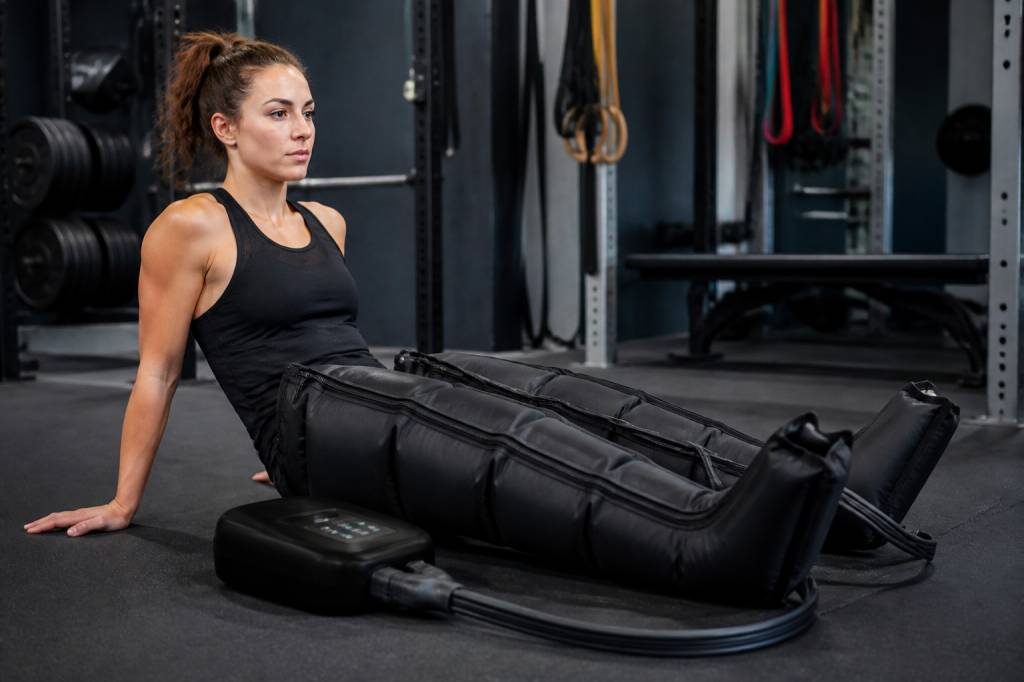
Recovery device for faster muscle recovery in sports and fitness
Athletes whey protein benefits for performance and recovery