
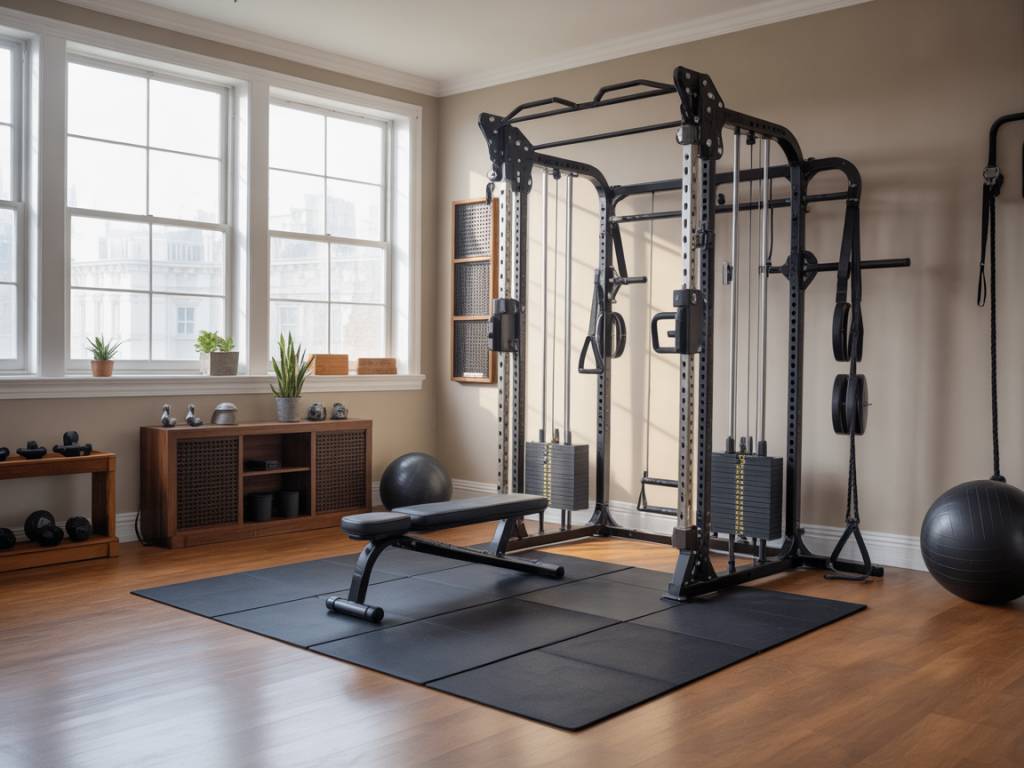
Why a Budget Home Gym Is Worth Building
Creating an effective home gym on a budget is more realistic than many people think. Between rising gym membership costs, commuting time, and crowded weight rooms, more athletes and fitness enthusiasts are choosing to train at home. With a strategic approach, you can set up a compact, functional workout space that supports strength training, cardio, mobility, and recovery—without overspending.
This guide focuses on essential home gym equipment, smart shopping strategies, and layout tips, so you can build a home gym that fits both your space and your budget. Whether you are a beginner looking to get started with resistance training or an experienced lifter seeking a reliable backup to your commercial gym, a well-planned home setup can deliver serious results.
Defining Your Training Goals and Available Space
Before buying any equipment, clarify what you want from your home gym. Your goals will determine what is truly “essential” and what is optional. Think in terms of categories: strength, conditioning, mobility, and sport-specific work.
Ask yourself:
For a small apartment, your home gym might be built around a set of adjustable dumbbells, resistance bands, and a yoga mat. If you have a garage or basement, you can think bigger: a power rack, barbell set, and a dedicated lifting platform become realistic options.
Essential Strength Training Equipment for a Budget Home Gym
Strength training is usually at the heart of an effective home workout routine. The goal is to select versatile equipment that allows you to perform a wide range of compound movements like squats, presses, rows, and deadlifts.
Resistance Bands
Resistance bands are among the most affordable and space-efficient pieces of home gym equipment. A set of loop bands or tube bands with handles can be used for:
They are portable, joint-friendly, and ideal for beginners and advanced lifters alike.
Dumbbells (Adjustable or Fixed)
Dumbbells are a cornerstone of any strength-focused home gym. If you are on a tight budget or short on space, adjustable dumbbells are often the best option, allowing you to switch between multiple loads without cluttering the room.
With a basic dumbbell setup, you can perform:
For many people, a pair of adjustable dumbbells and a bench is enough to build significant strength and muscle at home.
Barbell and Weight Plates (for Those with More Space)
If you have a garage, basement, or spare room with solid flooring, a barbell set opens the door to heavy compound lifts. A standard Olympic barbell with a set of plates allows you to perform squats, deadlifts, bench presses, overhead presses, and rows.
To keep costs down, consider:
Adjustable Bench
An adjustable bench is not mandatory, but it significantly expands your exercise options. Incline and flat pressing, single-leg work, step-ups, and supported rows all become easier and more comfortable. If space is limited, look for a foldable bench that can be stored upright against a wall when not in use.
Budget-Friendly Cardio Options for Home Training
Cardiovascular fitness is a key component of overall health, and a home gym should support it. While treadmills and high-end indoor bikes are appealing, they are not essential—especially when you are working with a limited budget.
Jump Rope
A jump rope is one of the most cost-effective tools for building conditioning. It requires minimal space and offers high-intensity training options. Jump rope intervals can easily replace a traditional cardio session and can be combined with strength exercises in a circuit.
Bodyweight Conditioning
Many effective cardio workouts require no dedicated “cardio machine” at all. Instead, you can design short, intense sessions using:
These movements can be performed on a simple exercise mat, making them ideal for small spaces and tight budgets.
Low-Cost Cardio Machines
If you have a bit more to invest and enough space, consider compact, budget-friendly machines such as:
These are often available at discounted prices on second-hand platforms, especially during spring cleaning seasons or after New Year’s resolution waves.
Flooring, Safety, and Training Environment
Even in a budget home gym, the training surface matters. Proper flooring protects both you and your equipment, and it also helps reduce noise if you live in an apartment.
Ideal low-cost options include:
Beyond flooring, pay attention to safety:
A clean, well-organized environment is more inviting and encourages consistent training. Even small touches like good lighting, a fan for ventilation, and a mirror for technique checks can enhance your daily workouts.
Smart Shopping Tips: How to Save Money on Home Gym Equipment
Building an effective home gym on a budget is all about prioritizing what matters most and knowing where to find value. Strategic shopping can easily cut your costs in half compared to buying everything brand new at retail price.
Buy Second-Hand When Possible
Many people purchase gym equipment with good intentions and then barely use it. As a result, the second-hand market is full of lightly used gear at reduced prices. Search on:
Focus on durable items like barbells, plates, racks, benches, and metal dumbbells. These are designed to withstand heavy use and often remain in excellent condition for years.
Prioritize Versatile, Multi-Use Equipment
To keep your home gym compact and affordable, favor equipment that can be used for multiple exercises and training styles. Examples include:
This approach lets you cover more movement patterns with fewer pieces of equipment, reducing both costs and clutter.
Wait for Sales and Seasonal Discounts
Fitness equipment prices often drop during key times of the year, such as:
If you are not in a rush, create a wish list and track prices over a few weeks. Many online retailers also offer coupons, newsletter discounts, or free shipping deals that can make a noticeable difference on heavier items.
Avoid Gimmicks and Trendy Devices
From vibrating platforms to complex, single-purpose machines, fitness marketing can be persuasive. For a budget home gym, focus on time-tested tools and proven training methods rather than impulse buys. When in doubt, ask whether a new gadget will truly add something that your current equipment cannot already provide.
Sample Budget Home Gym Setups
To visualize how all these pieces fit together, here are a few sample setups at different budget levels. Prices will vary by region and whether you buy new or used, but these outlines provide a practical starting point.
Minimalist Apartment Setup
This configuration is ideal for full-body workouts, basic strength training, core work, and high-intensity interval sessions in very limited space.
Intermediate Home Gym with Strength Focus
Suitable for lifters who want to perform classic compound lifts and progressively overload their training without relying on a commercial gym.
Garage Gym on a Budget
This setup supports serious strength training and conditioning work while remaining cost-effective compared to full commercial-grade installations.
Making Your Budget Home Gym Work for You Long-Term
Building the home gym is only the first step. To get real value from your investment, you need structure and consistency. Plan your training weeks in advance, track your progress, and periodically reassess your goals and equipment needs.
Over time, you can gradually upgrade or expand your home gym. Add heavier plates, swap in a more durable bench, or include specialty bars or kettlebells if they align with your training style. The advantage of starting on a budget is that it forces you to focus on essentials and build habits before worrying about extras.
A carefully chosen selection of equipment, combined with smart shopping and efficient use of space, can transform even a small room into a highly functional training environment. For many athletes and everyday fitness enthusiasts, a budget home gym becomes not just a backup option, but the primary setting where long-term progress is made.

Related Posts
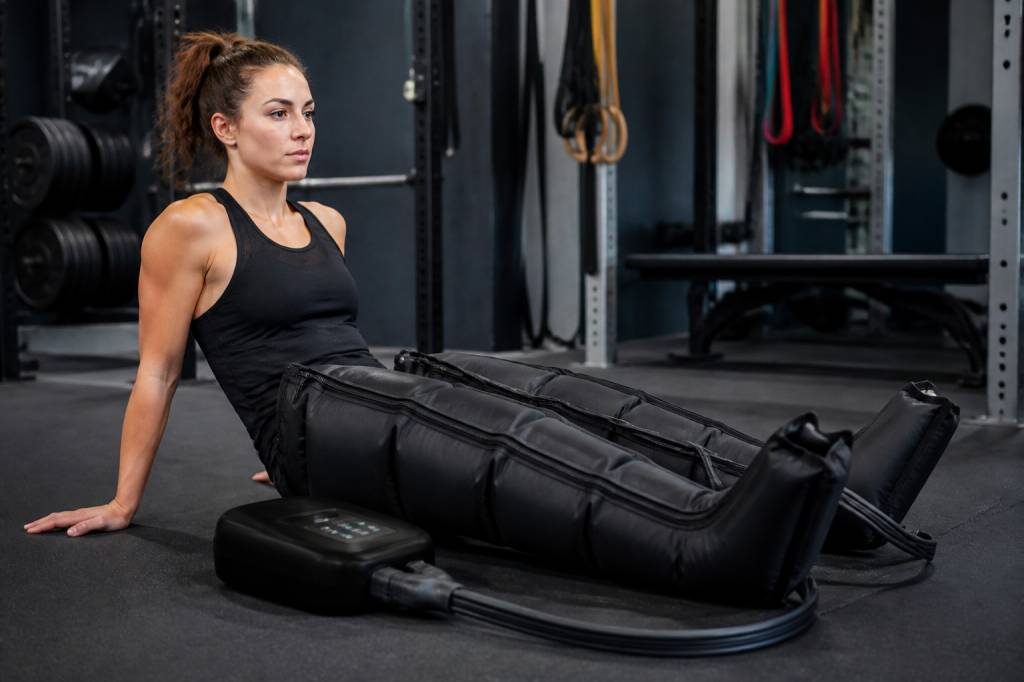
Recovery device for faster muscle recovery in sports and fitness

Compression boots for athletes: benefits, recovery, and how to choose the right pair