Why runners keep reaching for 2XU compression tights
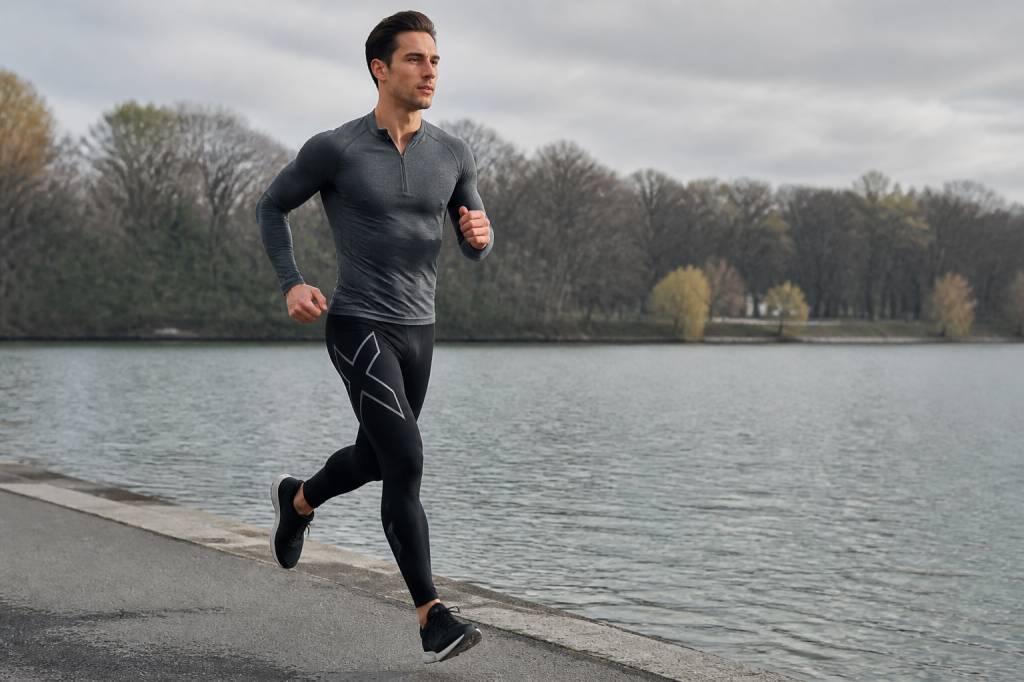
Compression tights have gone from “maybe useful” to “hard to ignore” for runners who want a little more support and a little less post-run regret. Among the brands that consistently show up in serious training conversations, 2XU has earned a strong reputation. The appeal is simple: these tights are designed to support working muscles, reduce unnecessary movement, and help runners feel more stable from warm-up to cooldown.
But let’s be honest: compression gear can sound a bit like sports science wrapped in tight fabric. Do they really help, or are they just another sleek-looking layer in your running drawer? The short answer is that they can help, especially when you choose the right fit and use them for the right kind of run. The longer answer is where things get interesting.
2XU compression tights are popular because they combine graduated compression, technical fabrics, and a snug feel that many runners find reassuring. Whether you are logging easy miles, preparing for a half marathon, or trying to bounce back faster after hard workouts, they can play a useful role in your kit.
What compression tights are actually doing
Compression tights are designed to apply pressure to your legs, with the most support typically around the lower sections and a gradual decrease as the garment moves upward. That graduated pressure is meant to encourage better blood flow and reduce the amount of muscle vibration during movement. In plain English: your muscles may feel a little less like they are being shaken in a washing machine every time your foot hits the ground.
For runners, that matters because running is repetitive. Every stride creates impact, and over time that adds up. Compression tights can help your legs feel more “held together,” especially during longer efforts, tempo runs, or races where fatigue starts to creep in.
2XU has built much of its identity around this idea. Their tights are made for performance-first athletes, not just people who want to look fast in the mirror. That does not mean they will magically shave minutes off your 10K. But they may help you feel better while you run, which is often the first step toward better performance.
The main benefits runners notice
Not every runner experiences compression the same way, but a few benefits come up again and again.
- Reduced muscle vibration: less bounce can mean less fatigue over long sessions.
- Supportive feel: the legs often feel more stable, especially when pace increases.
- Post-run comfort: many runners wear compression tights after training to feel more supported during recovery.
- Warmer muscles: on cool mornings, they can help keep your legs ready to work.
- Improved confidence: yes, this counts. Feeling secure in your gear can make you run with more focus.
The recovery angle is especially interesting. After a hard track session or a long run with hills, many runners like wearing compression tights for an hour or two afterward. The logic is that they may help the legs feel less heavy and more refreshed. While results vary, the perception of recovery is valuable in itself. If you feel better, you are often more likely to train well again sooner.
Another benefit that is easy to overlook: compression tights can reduce chafing compared with looser shorts, especially on longer runs or in humid conditions. Fewer distractions. Fewer “why did I wear this?” moments. That alone can be worth the price for some runners.
Why 2XU stands out in the compression game
There are plenty of compression brands out there, so why do runners keep circling back to 2XU? A big reason is consistency. 2XU focuses heavily on technical design, and its running tights are known for a firm, supportive feel without feeling like medieval armor.
Here is what tends to make them stand out:
- Graduated compression that feels purposeful rather than random.
- Technical fabrics designed to move sweat away from the skin.
- Muscle mapping in some models, which targets support around key running muscles.
- Durable construction that holds up through repeated training cycles.
- Race-friendly designs that can work for workouts and events alike.
2XU tights are often chosen by runners who care about details. If you already obsess over shoe drop, sock thickness, and whether your gels sit better in a belt or pocket, you are exactly the kind of athlete who will notice the difference in compression gear too.
Finding the right fit: the part you should not wing
Compression only works if the tights fit properly. Too loose, and you lose the supportive effect. Too tight, and you turn a running session into a lesson in patience. The fit should feel snug, firm, and secure, but not painful or restrictive.
With 2XU compression tights, the most common mistake is choosing a size based on casual clothing habits instead of measurement. Compression gear is not about vanity sizing. It is about accuracy.
To get the best fit, take note of these points:
- Measure your waist and hips carefully, following the brand’s size guide.
- Pay attention to leg length, especially if you are taller or shorter than average.
- Look for a waistband that stays put without digging in.
- Make sure the fabric feels supportive through the quads, hamstrings, and calves.
- Try a squat or a few lunges before your first run to test mobility.
A good compression tight should feel firm when you first put it on, then settle into something you barely think about once you start moving. If you spend the entire run adjusting the waistband, the fit is wrong. Full stop.
One practical tip: if you are between sizes, think about your goal. For more intense compression, some runners prefer the tighter option. For all-day comfort, the slightly roomier size may be better. If you are buying for racing, go for precision. If you are buying for recovery, comfort matters a bit more.
When to wear them for the best results
Compression tights are versatile, but they shine in certain situations. You do not need to wear them for every jog around the block. In fact, that would be overkill unless you really enjoy feeling “performance-ready” while buying coffee.
Here are the moments when runners tend to get the most from 2XU compression tights:
- Long runs, when fatigue gradually starts to build.
- Tempo runs, where maintaining form matters as much as pacing.
- Intervals and hill repeats, when muscle support can feel especially useful.
- Cool-weather training, when keeping muscles warm is a bonus.
- Recovery days, if you like the supported feeling after harder sessions.
For race day, many runners wear compression tights if the weather is cool or if they simply perform better in supported gear. Others use them during travel to and from races to keep the legs feeling fresh. On the other hand, for very hot conditions, some runners may prefer lighter apparel. That comes down to personal comfort and race strategy.
Performance tips to get more out of them
Wearing compression tights is not enough on its own. Like any piece of gear, they work best when they are part of a smart training setup.
Start with your warm-up. Compression tights can make the transition into running feel smoother, but they are not a substitute for actually preparing your body. A few dynamic movements before your run will always do more than fabric alone.
Next, think about layering. In colder weather, 2XU tights can sit nicely under shorts or pair well with a light top and gloves. If the temperature is moderate, they may be enough on their own. The key is avoiding the “too warm too soon” trap, because overheating can sabotage performance faster than a bad playlist.
Hydration and recovery also matter. Compression tights may help you feel better after a workout, but they do not replace sleep, fuel, and good post-run habits. If your legs feel great because you wore the tights but you skipped carbs, skipped water, and stayed up too late scrolling training logs, the tights are not the problem, and they are not the cure either.
Another smart move: use compression tights strategically. Many runners reserve them for harder sessions or key recovery periods. That way, they keep their perceived “boost” fresh and do not treat them like everyday pajamas with a performance label.
Common mistakes runners make with compression tights
Compression gear is simple to wear, but not everyone uses it wisely. Here are a few mistakes worth avoiding.
- Buying the wrong size and expecting magic.
- Assuming compression tights will fix poor training recovery.
- Wearing them only because they look serious, not because they suit the session.
- Ignoring fabric care and reducing their lifespan.
- Choosing the wrong thickness for the weather.
Fabric care is worth a mention. High-performance tights usually last longer when washed according to the label instructions. Skip the harsh treatment, and they stay supportive for more miles. That is a small effort for a big payoff.
Also, don’t mistake “tight” for “better.” Compression should feel supportive, not like you are being squeezed into a race-day sausage casing. If it affects your breathing, stride, or confidence, something is off.
How to choose the right 2XU model for running
2XU offers different compression options, and the right choice depends on your needs. Some runners want full-length tights for colder conditions and more complete leg support. Others prefer three-quarter or lighter options for mobility and temperature control.
Think about these factors before buying:
- Season: full-length for winter, lighter options for mild weather.
- Training type: harder sessions may benefit most from firmer support.
- Race distance: longer races often make support and comfort more important.
- Recovery needs: if you want post-run support, choose a model you can wear comfortably after exercise.
- Pocket needs: some runners want storage for keys, gels, or a phone.
If you like to keep your running wardrobe efficient, look for a pair that can do multiple jobs. A good pair of 2XU tights can move from warm-up to workout to recovery without drama. That kind of flexibility is useful when your week is already packed with training, work, and life pretending to be chill.
Who will benefit most from them?
Not every runner needs compression tights, and that is fine. But some athletes are especially likely to appreciate them.
They are a strong fit for runners who:
- train regularly and want support during repeated sessions
- do longer runs or high-volume weeks
- feel heavy-legged after speed workouts or races
- run in cooler weather and want extra warmth without bulk
- prefer a secure, locked-in feel when moving fast
If you are brand new to running, compression tights are not a must-have from day one. Your first priority should be building consistency, good shoes, and a routine you can stick to. But if you are already committed and want to fine-tune comfort and recovery, they are a worthwhile piece of kit.
Final thoughts from the road
2XU compression tights are not a miracle product, but they are more than a trend. For many runners, they offer a blend of support, comfort, and confidence that makes training feel smoother and recovery feel a little less brutal. The biggest gains usually come when the fit is right, the session is right, and expectations are realistic.
If you run hard, run often, or simply want a pair of tights that feel like they are working with your legs instead of against them, 2XU deserves a serious look. Get the size right, wear them strategically, and let your own legs decide whether they become a race-day regular or a recovery-day favorite.
In running, the smallest details can make a big difference. Sometimes that detail is a pair of shoes. Sometimes it is a smarter warm-up. And sometimes, it is a pair of compression tights that help your legs keep their composure when the miles start asking questions.

Related Posts
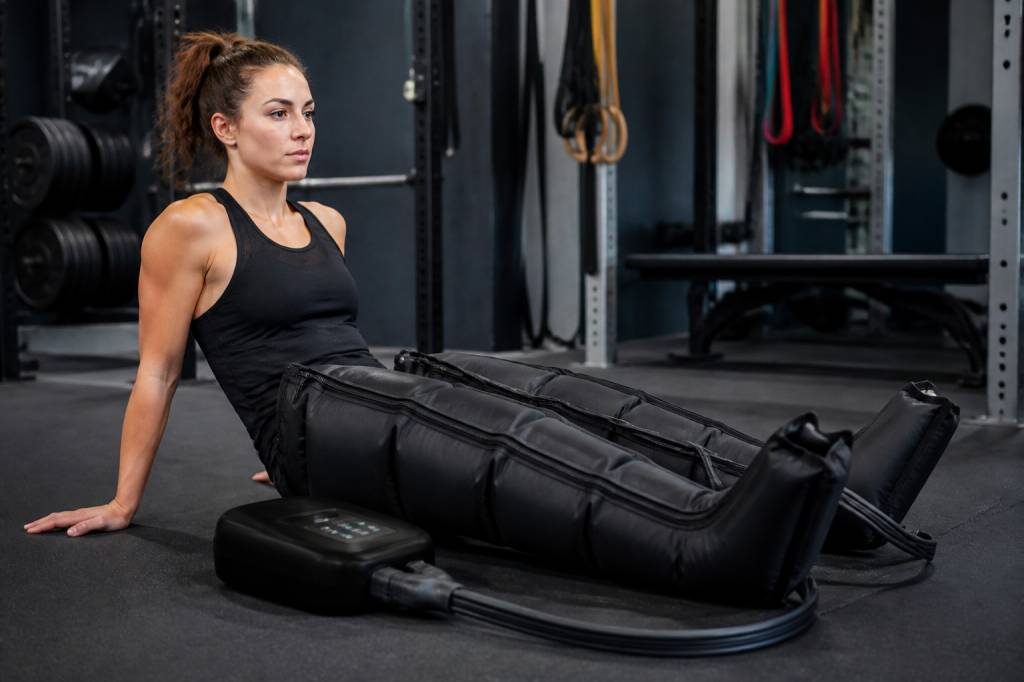
Recovery device for faster muscle recovery in sports and fitness
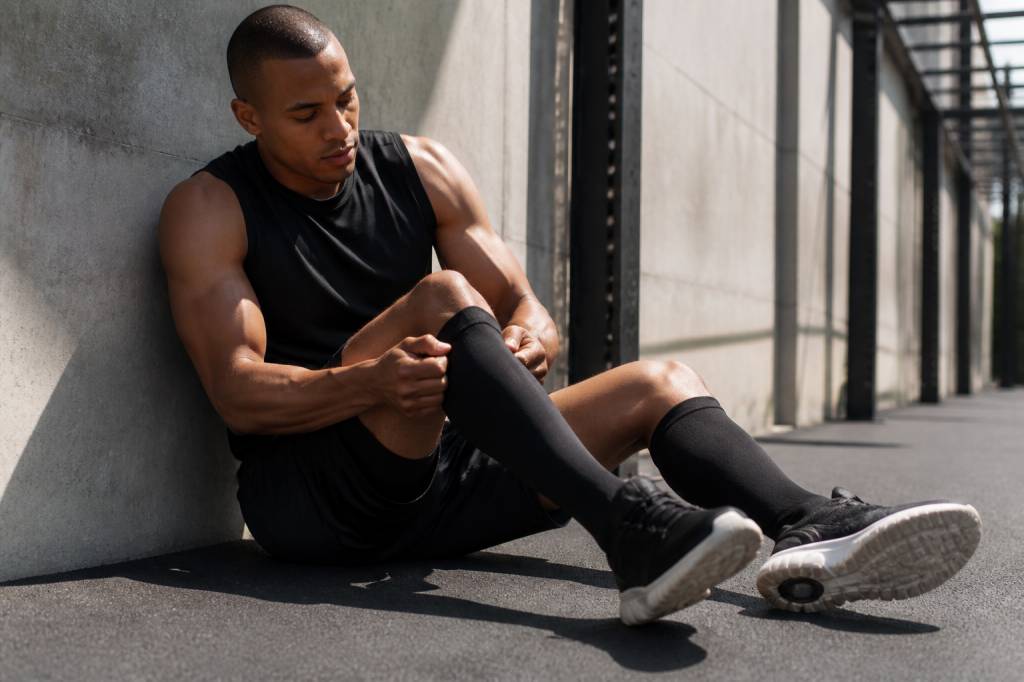
Compression boots for athletes: benefits, recovery, and how to choose the right pair